
Licensed Nevada Realtor, HomeSmart Encore. 12+ years helping Las Vegas families buy and sell. 5.0 from 32 Google reviews.
Type your address into a real estate website and you get a number in three seconds. Confident. Precise-looking. And built by software that has never opened your front door.
Your home is the largest asset you own. Before you list it, refinance it, or plan your next decade around it, you deserve the real number. Here is how automated estimates work, where they break, and what a true home value report includes.
Why Online Estimates Miss In Las Vegas

Automated value models run on public records and recent sales math. Square footage, lot size, beds, baths, last sale price. Useful inputs, every one. Here is what never makes it into the algorithm:
- Your $60,000 kitchen remodel. County records show a kitchen exists. They score its age at the year the house was built.
- The neighborhood boundary line. Two streets in the 89139 zip look identical to a model. One feeds into a school and a gate that buyers pay a premium for. The model averages them.
- Condition. A meticulous single-owner home and a rental with fifteen years of deferred maintenance carry the same records profile.
- The buyer story. Software cannot know that relocation buyers fight over quiet cul-de-sacs in your village, or that an off-market buyer would stretch for your exact floor plan.
Las Vegas punishes these blind spots harder than most cities. Master-planned communities, guard gates, strip proximity, casino-adjacent zip codes, and short-term-rental rules mean two similar houses a mile apart live in different markets.
What A Real Home Value Report Includes
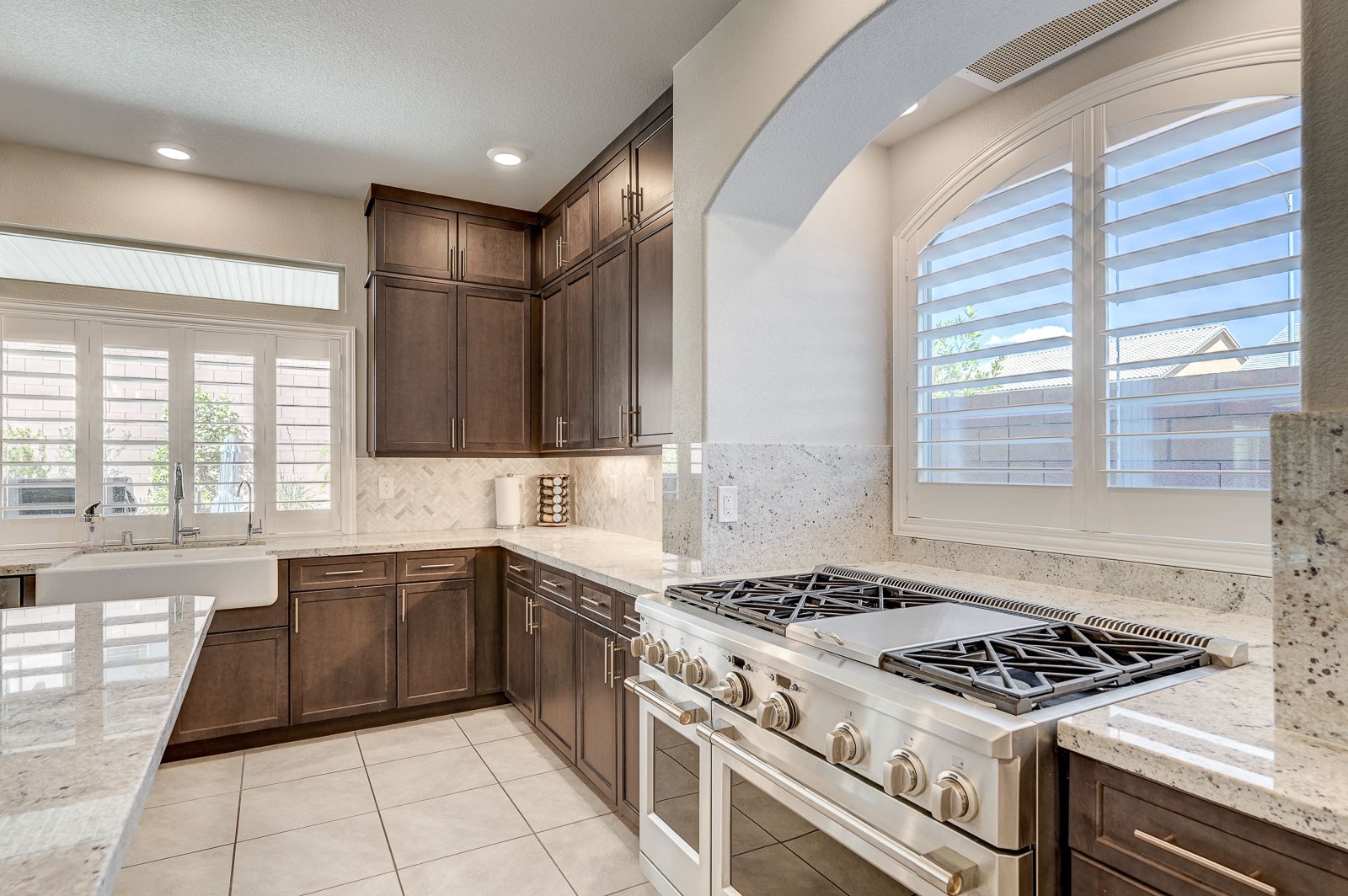
When I prepare a home value report, I build a comparative market analysis by hand, for your exact property. The report covers:
- True comparables. Homes like yours that sold in the last ninety days, in your actual sub-market, adjusted for upgrades, lot, and condition. Not a zip-code average.
- Active competition. What a buyer sees today when they shop against your home, and where you would rank in that lineup.
- Upgrade credit. A line-item view of what your improvements return at sale. Some return strong, some return little. You should know which before you spend another dollar.
- A pricing strategy. The number is the start. The strategy is where the money gets made: launch price, expected buyer pool, and the negotiation plan that protects your final figure.
Every one of my 32 Google reviews sits at five stars, and the reports are a big reason why. Sellers tell me the report explained more in four pages than a year of watching estimate websites bounce their number around.
What Truly Moves Your Number
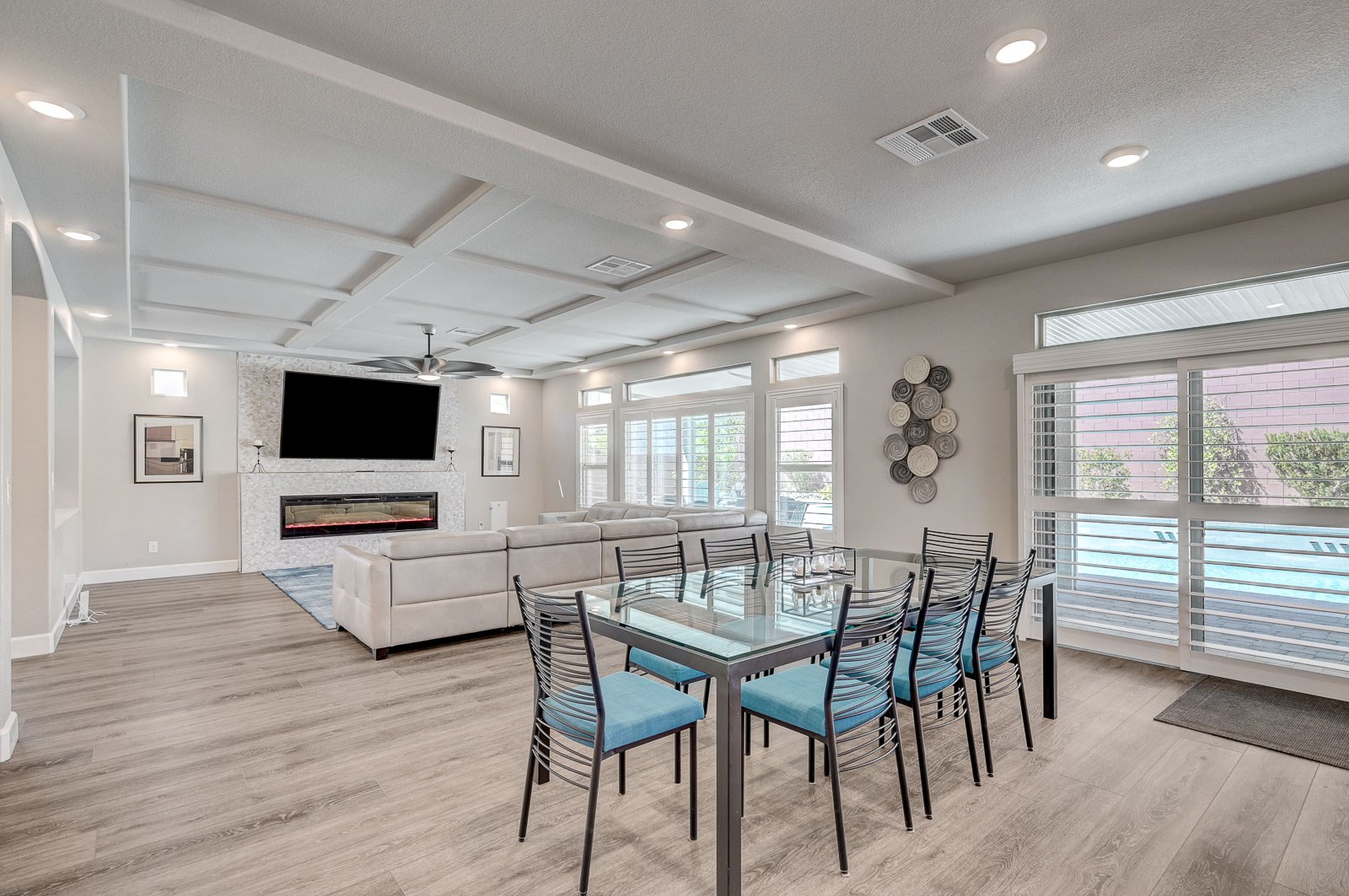
After years of selling across this valley, the value drivers repeat. Kitchens and primary bathrooms move the number most per dollar spent. Light moves it more than square footage in the same price band. A clean inspection history beats cosmetic staging. Landscaping earns back its cost at the curb, where buyers decide in eleven seconds whether they are excited.
My honest opinion: the most expensive mistake in this market is not underpricing. It is trusting a free algorithm with a six-figure decision, anchoring on the wrong number, and finding out ninety days later what the market truly thought.
The Cost Of Guessing Wrong

Price high off a flattering estimate and your listing sits. Showings thin out after week two, buyers start asking what is wrong with it, and the eventual cut lands below where honest pricing would have started. Price low off a lazy estimate and you hand a stranger your equity at the closing table. Both mistakes trace to the same root: a number nobody verified.
The National Association of Realtors publishes the research every year: well-priced homes sell faster and closer to asking than mispriced ones, in every market cycle. Pricing is not guesswork. It is the whole game.
How To Get Your Free Report
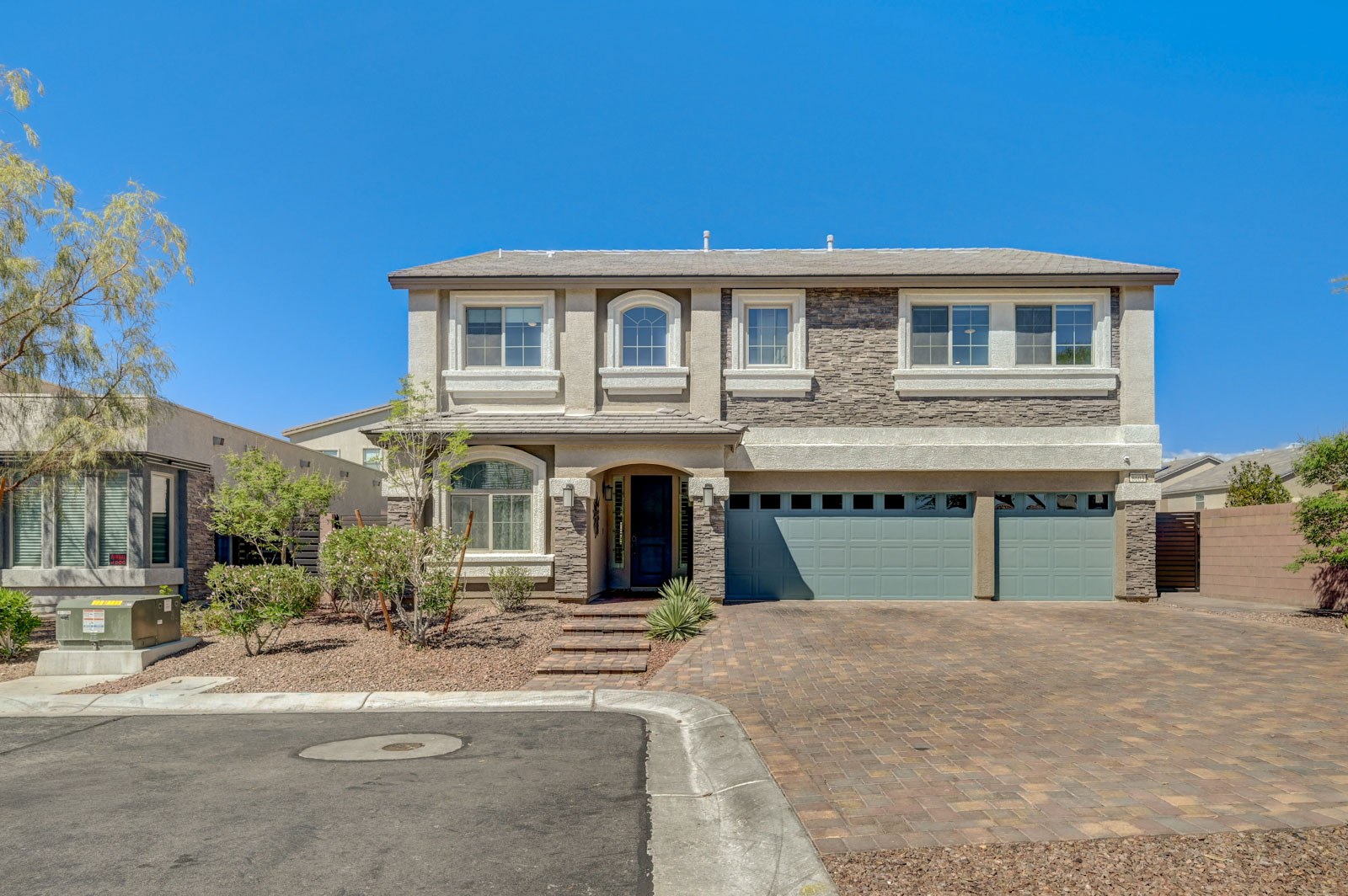
Tell me a little about your home on my Sell Your Home page. I personally pull the comparables, walk the numbers, and reach out with your report. Free, no pressure, no obligation, whether you sell this fall or in three years. Curious how the wider market looks first? Start with my August market update.
A Tale Of Two Numbers: What The Gap Costs
Here is a pattern I see monthly. A homeowner watches their estimate widget for a year. The number climbs, dips, climbs, and settles somewhere flattering. They mentally spend that equity: the next house, the retirement plan, the college fund. Then a hand-built comparison lands twenty or thirty thousand away from the widget, in either direction, and every plan built on the widget wobbles.
The gap runs both ways, and both directions cost real money. When the widget runs high, sellers list high, sit unsold through their best marketing window, and follow the market down with price cuts that advertise weakness. When the widget runs low, owners underestimate their equity, delay moves they could afford, or worse, accept an investor’s convenient cash offer that banks the difference. The algorithm never pays for its miss. You do.
The fix costs nothing: get the real number annually, the same way you review your retirement accounts. Equity is most families’ largest asset line, and it deserves at least the attention your index funds get.
What I Do With Your Address
So you know exactly what happens after you submit the form, here is the process, start to finish. First, I pull every sale within your sub-market from the last ninety days and cut the list to genuine matches: same product type, same boundary lines, comparable lot and condition. Second, I walk the adjustments one by one. Your upgraded kitchen against their builder-grade. Your three-car garage against their two. Your cul-de-sac against their corner on the collector street. Each adjustment is a dollar figure with a reason attached, not a vibe.
Third, I read the live competition the way a buyer would this weekend: what else their money buys, where your home would rank in that lineup, and what launch price puts you at the top of it. Fourth, I write it up in plain English and walk you through it, usually inside twenty minutes. You keep the report either way. No listing agreement required, no follow-up campaign, no pressure. A meaningful share of my reports go to owners who are two or three years from selling, and that is a fine use of my time, because informed owners become prepared sellers.
That is the difference between a number and an answer. The widget gives you a number. The report gives you the answer, with the reasoning attached, from someone accountable for being right at closing tables every month.
When To Re-Run Your Number
Home values are not a set-and-forget statistic, and 2026 has proven it again. Re-run your number after any major upgrade, because fresh kitchens and bathrooms move the figure immediately. Re-run it when rates shift a half point in either direction, because payment math reshapes your buyer pool and your price band with it. Re-run it when a neighbor closes, because every nearby sale rewrites your comparables. And re-run it annually even when nothing changed, the same way you review insurance. Owners who track their real number make relaxed decisions. Owners who guess make expensive ones.
The report takes you two minutes to request and costs nothing, this month or any month. The habit of knowing is the whole point.
Home Value Questions Las Vegas Sellers Ask
How accurate are online home value estimates?
Automated models work from public records and recent sales math. They miss upgrades, condition, neighborhood boundary premiums, and buyer demand for your exact floor plan. In master-planned Las Vegas, those blind spots stack up fast. Treat an online estimate as a rough starting range, never a listing price.
What is a comparative market analysis?
A CMA is a hand-built valuation using recent sold homes that genuinely match yours, adjusted for upgrades, lot, and condition, plus a review of active competition. It is the tool agents and appraisers both rely on, and it is the core of a real home value report.
Is a home value report truly free?
Yes. Tami prepares your report at no cost and with no obligation. Sellers use it to plan a sale. Owners use it to track equity, plan refinancing, or decide on improvements. Either use is welcome.
Which upgrades add the most value to a Las Vegas home?
Kitchens and primary bathrooms return the most per dollar in most price bands. Curb appeal earns back its cost at first impression. Pools and casitas depend heavily on neighborhood norms, which is exactly what a hand-built report scores for your street.
How long does a home value report take?
Tami typically returns your report within one to two business days. Rush timelines for relocation or estate situations are available on request.
Know what your home is worth before you make a single move
Tami pulls the real numbers for your exact home. Free, no pressure, no obligation.