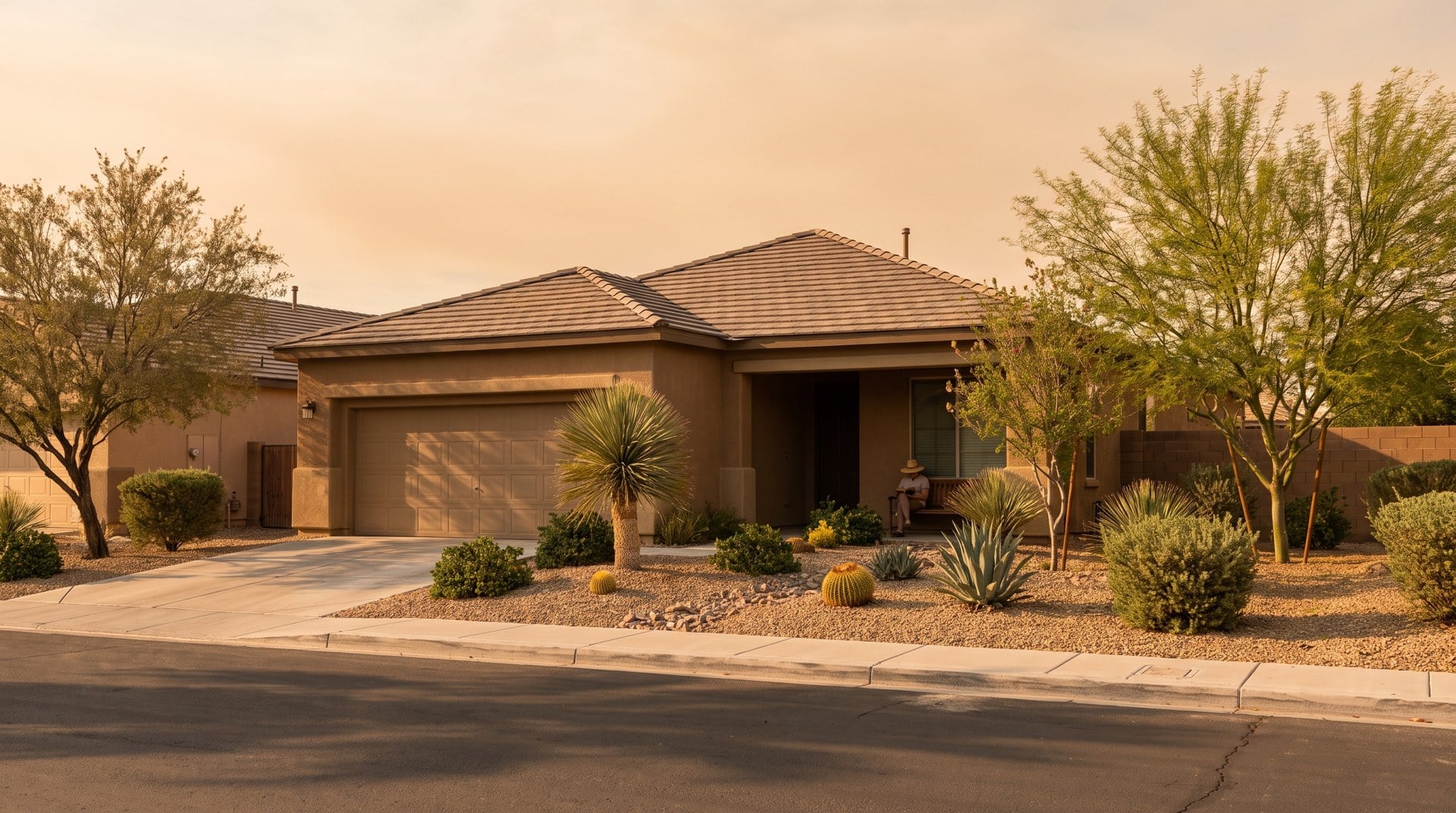
Answer: Sell your house in Las Vegas in five moves. Set your goal, price it off real comparable sales, prepare what buyers notice, weigh every offer as a whole, then hold your number through closing. Your pricing strategy should connect the home’s condition and competition to your next move. Use this guide to understand what needs a decision at each stage.
How to sell your house in Las Vegas: where do you start?

I reviewed 63 independent language analyses of how sellers and agents describe this process, and home inspection and closing costs came up in more of them than any other step. Start with your next move. Decide where you intend to go, what needs to happen before moving, and how much disruption your household will tolerate. Tell your agent about travel, pets, work hours, and storage needs before arranging showings. Build the plan around your actual life.
Put your budget beside your timeline. Ask for a seller net estimate showing the proposed sale price, mortgage payoff, closing costs, and other anticipated expenses separately. Keep preparation expenses in view, too. Treat the estimate as a planning tool, and update it as actual charges and offer terms become available.
Choose an agent through specific questions. Ask who will answer you, how feedback will arrive, and how pricing decisions will be explained. The Nevada Real Estate Division licenses and regulates real estate licensees in Nevada. Use the seller services overview to organize your questions about the work ahead.
Read your listing agreement with the agent before signing. Ask them to explain the proposed services, communication plan, and any wording you do not understand. Discuss the paperwork early so you have time to raise questions.
What is your home worth, and how should you price it?

Begin with a home valuation tied to your property. If you want the mechanics first, read how a real home value report gets built. Ask for a market analysis comparing relevant sales with homes competing for buyers now. Check how each comparison differs in condition, layout, location, and outdoor space. A familiar neighborhood name alone is a weak basis for choosing comparisons.
Set your listing price from the evidence. Distinguish a seller’s asking price from the price a buyer ultimately paid. Ask your agent to explain which properties deserve the most weight and why. Use the comparison table to keep the discussion specific.
| Evidence | What to examine | Question for your agent |
|---|---|---|
| Recent completed sales | Condition, location, layout, and sale terms | Why does this home make a useful comparison? |
| Active listings | Presentation, asking price, and competing features | How will buyers compare your home with these options? |
| Your property’s differences | Maintenance, updates, outdoor space, and floor plan | Which differences support the proposed price? |
For the week of September 3, 2026, Freddie Mac reported average fixed mortgage rates of 6.71% for the 30-year loan and 6.04% for the 15-year loan. Those averages give you financing context. They do not set your home’s asking price, which needs a comparison with relevant sales.
Keep market trends separate from your property’s evidence. Ask what new listings, buyer responses, or completed sales would prompt a pricing review. If you are learning how to sell your house in Las Vegas, this distinction matters: a market headline is context, while the comparisons support your decision.
What should you fix before you list?

Fix the distractions buyers will notice. Walk through your home with the agent and separate maintenance needs from optional cosmetic work. Ask which home repairs deserve attention before photography and which need a closer assessment. Avoid starting a renovation simply because you are preparing to sell.
Use home staging to make the layout easy to understand. Clear crowded walkways, reduce countertop clutter, and arrange furniture around how each room functions. Give your entry, kitchen, bathrooms, and outdoor areas the same careful review. Aim for a clear presentation of the home as it stands.
- Repair obvious functional problems where practical
- Clean windows, surfaces, and visible dust
- Clear access to rooms, closets, and equipment
- Check lighting before photography and showings
- Gather available maintenance records and repair receipts
Compare the effort with your plans. A long repair project adds disruption even when the finished room looks better. Have the agent how the proposed work relates to competing homes and the intended presentation. Spend deliberately, without assuming every improvement returns its cost.
Prepare information as carefully as rooms. Gather notes about past work, recurring maintenance issues, and questions you expect buyers to ask. Keep receipts and descriptions together so you have accurate details ready for discussion. Give your agent a clear picture before the property goes live.
How does your home get in front of buyers?

Build the presentation before launching your property listing. Review the photographs, room descriptions, feature details, and showing instructions for accuracy. Describe the floor plan, storage, outdoor space, and location in concrete language. Give buyers enough information to decide whether a visit makes sense.
Ask your agent to explain the marketing strategy. Discuss where the home will appear, how photography will be arranged, and how interested buyers will request access. Agree on workable showing windows and a way to handle schedule changes. Your availability belongs in the plan from the start.
Check the description against your home. Replace vague praise with useful details about covered outdoor space, room connections, or access to nearby amenities when those descriptions fit. Keep photos current and avoid wording suggesting features the property does not have. Accuracy sets up a more useful showing.
Read feedback as evidence. Have your agent to separate comments about price, condition, layout, and showing access. Look for repeated concerns and compare them with the original pricing assumptions. Decide what deserves a response after reviewing the pattern, rather than reacting to an isolated remark.
What happens when offers come in?

Read beyond the headline price. Compare your expected proceeds, requested concessions, financing approach, inspection requests, and proposed closing schedule with the agent. Ask which details need clarification before you decide. An offer deserves review as a complete proposal.
Approach buyer negotiation with clear priorities. Decide where timing, preparation work, or expenses matter most to your next move. Your agent should to show how a proposed change affects the rest of the offer. Keep a written comparison so the latest conversation does not blur earlier details.
Revisit your estimated proceeds whenever terms change. Keep the proposed price, seller contributions, preparation spending, and estimated closing costs visible in the same worksheet. Home equity alone is an incomplete moving budget. Use the updated estimate to evaluate the offer against your plans.
Slow down when a detail is unclear. Have the agent to identify open questions and explain the proposed next step before you respond. Keep the discussion focused on the property, the offer, and your priorities. A confident decision starts with understanding what you are being asked to accept.
What happens between the contract and closing?
Keep the work visible after accepting an offer. Make your agent for a shared checklist of appointments, requested documents, and decisions awaiting your response. Record who is handling each item and where updates will arrive. Your role is easier to manage when the next action is clear.
Prepare for the home inspection by arranging access. Gather available maintenance records, clear paths to equipment, and tell the agent about scheduling limits. If findings lead to requests, ask for the specific issue and supporting documentation before discussing a response. Review your options with the agent instead of treating every request as the same problem.
Keep the home appraisal distinct from the inspection. Get your agent to to explain the purpose of each appointment and what information has been requested. Have records of relevant improvements ready if they are needed. Wait for the actual findings before discussing changes to your plan.
Review the closing paperwork as it arrives. Compare the listed charges and expected proceeds with your latest estimate, then ask the closing team to explain differences. Coordinate moving arrangements, the final walkthrough, and the handoff of keys with the people handling your sale. Keep your move flexible until the closing team confirms completion and the agreed handoff arrangements.
Ready to plan your sale with Tami Jacobson?
Every one of Tami’s 32 Google reviews is a five-star review. Not most of them. Every one. That is what happens when your agent answers the call, prices your home off real evidence, and holds the line at the table. One recent Las Vegas listing went under contract in seventeen days.
Bring her your address and your timeline. She pulls the comparable sales herself, walks you through what they mean for your home, and tells you plainly what it will take. You decide what happens next.
Free home value report. No cost, no obligation. No pressure and no obligation. Tami will personally reach out. Call 952-288-3039 or start on the home value report page.
Frequently asked questions about selling your Las Vegas home
Should you move out before listing?
Compare the practical demands of selling while occupied with leaving the home vacant. If you move early, arrange property checks, cleaning, and access for appointments. If you stay, create a repeatable showing routine so each request requires less scrambling.
How should you handle a price opinion you disagree with?
Have the agent to walk you through the strongest comparison and the weakest comparison supporting the recommendation. Bring details about your home which you believe were overlooked, along with any available records. Ask how those details change the analysis before deciding whether the disagreement is about evidence or expectations.
What if you need to buy another home while selling?
Map the practical overlap between your move out and your next move in. Discuss storage, temporary lodging, and schedule flexibility before tying your plans to a particular property. Tell everyone coordinating the transactions where your plans depend on the other sale progressing.
How do you protect personal belongings during showings?
Put away documents, medication, jewelry, and portable valuables before visitors arrive. Check your counters, desks, and refrigerator for personal information before listing photography as well. Agree with the agent on how access will be arranged and who to contact about a concern afterward.
How should you compare a direct offer with listing publicly?
Ask for the complete written proposal so you have the terms in view. Compare requested repairs, deductions, expenses, access needs, and the proposed schedule with the demands of preparing for public showings. Evaluate the tradeoffs against your priorities without assuming a particular approach produces better proceeds.
What should you prepare for the key handoff?
Gather remotes, equipment manuals, and notes identifying items such as irrigation controls. Push your agent to how keys, access devices, and connected home equipment should be handled under the agreed arrangements. Remove personal account access from devices you leave behind when the handoff is coordinated.