Answer: Selling as-is makes sense when repairs cost more than they return, or when you need speed over maximum proceeds. But targeted improvements to critical systems often pay back their cost and then some. Your best move depends on your timeline, your home’s condition, and whether buyers in your market will negotiate based on inspection findings.
What Does Selling as-Is Actually Mean?
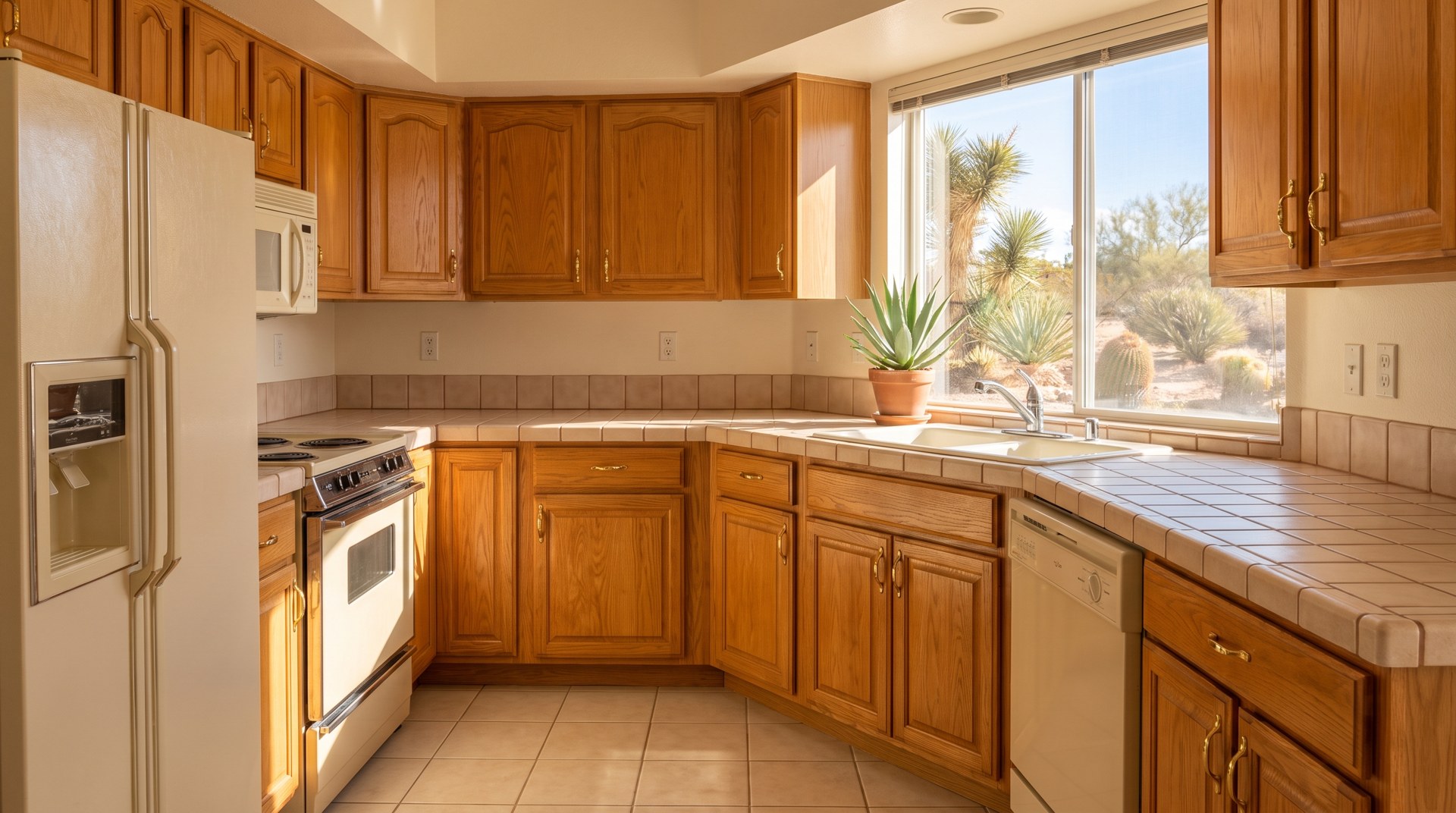
Selling a house as-is means you’re listing your home in its current condition. You make no repairs before closing. Buyers accept the property as they see it, with all its flaws disclosed. Nevada law requires that disclosure. “As-is” doesn’t mean hiding problems. It means the buyer knows the condition and bids accordingly.
Your listing price will reflect the property’s condition. Buyers factor in repair costs when they make offers. You’re trading a higher sales price for less work on your end. The question your sellers always ask: does that trade work for me?
Here’s what you need to know. An as-is sale moves faster because there’s no repair negotiation. No contractor delays. No “the inspector found mold, renegotiate.” You close on time. But your proceeds are lower because your buyer walks in knowing they’ll spend money the day they take the keys.
When Does Selling As-Is Make Sense?
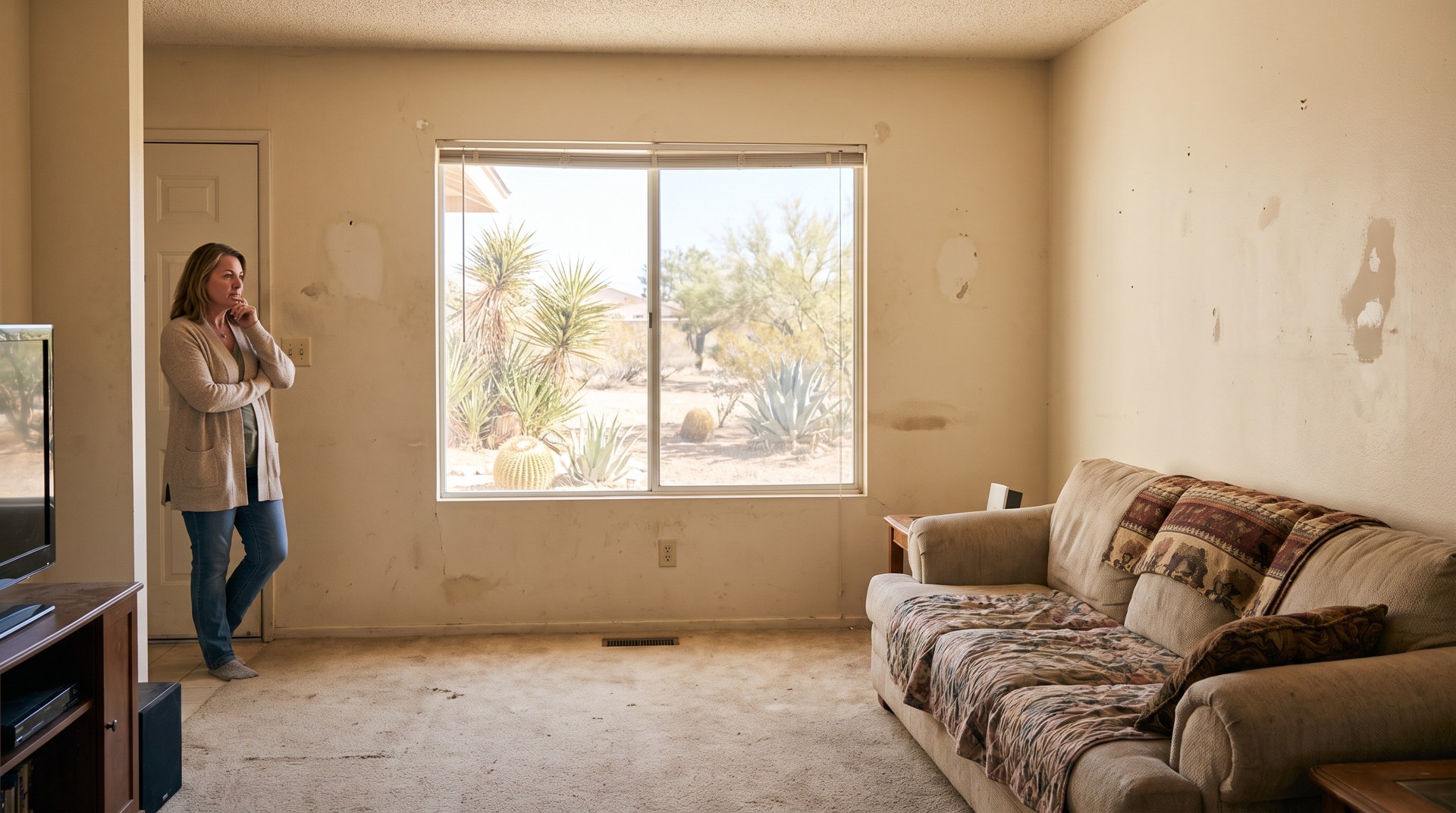
Selling as-is wins when your cash position matters more than your proceeds. If you’re relocating fast, or you need liquidity, or you inherited a home with deferred maintenance, speed is your edge. You close faster. A faster close means predictable cash flow for your next move.
It also makes sense when repairs are catastrophic. A roof near the end of its life is one of the first items a buyer’s inspector writes up, and buyers price that risk straight into their offer. A foundation issue is worse. These are deal-breakers for financed buyers. Financing buyers will walk. But a buyer with cash and renovation plans might still bite if your asking price reflects the work needed.
Your market position matters too. In a slow market, you compete harder for buyers. Staging and small cosmetic fixes can move inventory. In a hot market, homes move as-is routinely because demand exceeds supply. Your agent knows which applies to your neighborhood. That’s why you work with someone who knows your specific area.
Which Repairs Tend to Earn Their Money Back?

I reviewed 63 independent language analyses of how sellers and agents describe this process, and home inspection and home repairs sat at the top of what people talk about. The repairs buyers care about are systems and safety. They don’t want to buy a house and immediately hire a contractor.
Your buyers prioritize these repair categories most when evaluating your home:
- HVAC systems (heating, cooling, functionality)
- Plumbing and water damage (functional fixtures, no active leaks)
- Electrical systems (safe, up to code, no hazards)
- Roof condition (remaining life, visible damage)
- Paint and cosmetic finish (neutral colors, clean condition)
- Appliances (working condition or replacement readiness)
- Flooring (safe, clean, structurally sound)
The biggest one is HVAC. A functioning heating and cooling system tells buyers they can move in on day one. It’s a must-have system. Buyers finance contingent on appraisal and inspection. An HVAC failure kills both. Fix it, and you signal competence. Deferred maintenance in a major system signals the opposite.
Plumbing and electrical are next. Outdated or malfunctioning systems are red flags. A buyer sees a dripping faucet and wonders what else hides behind the walls. Conversely, working water and power remove a major anxiety point. Roof condition matters too, but only if the roof is failing. A roof with five years left is fine. One with one year left might need replacement during the buyer’s first winter.
Paint, flooring, and appliances move the needle on buyer perception. You’re not renovating. You’re removing obvious obstacles to purchase. Fresh paint in neutral tones costs little and changes how a buyer sees the whole home. New appliances send a “maintained property” message. Home staging in this context means making your home habitable and clean, not designer-level work.
Which Projects Rarely Pay Back?
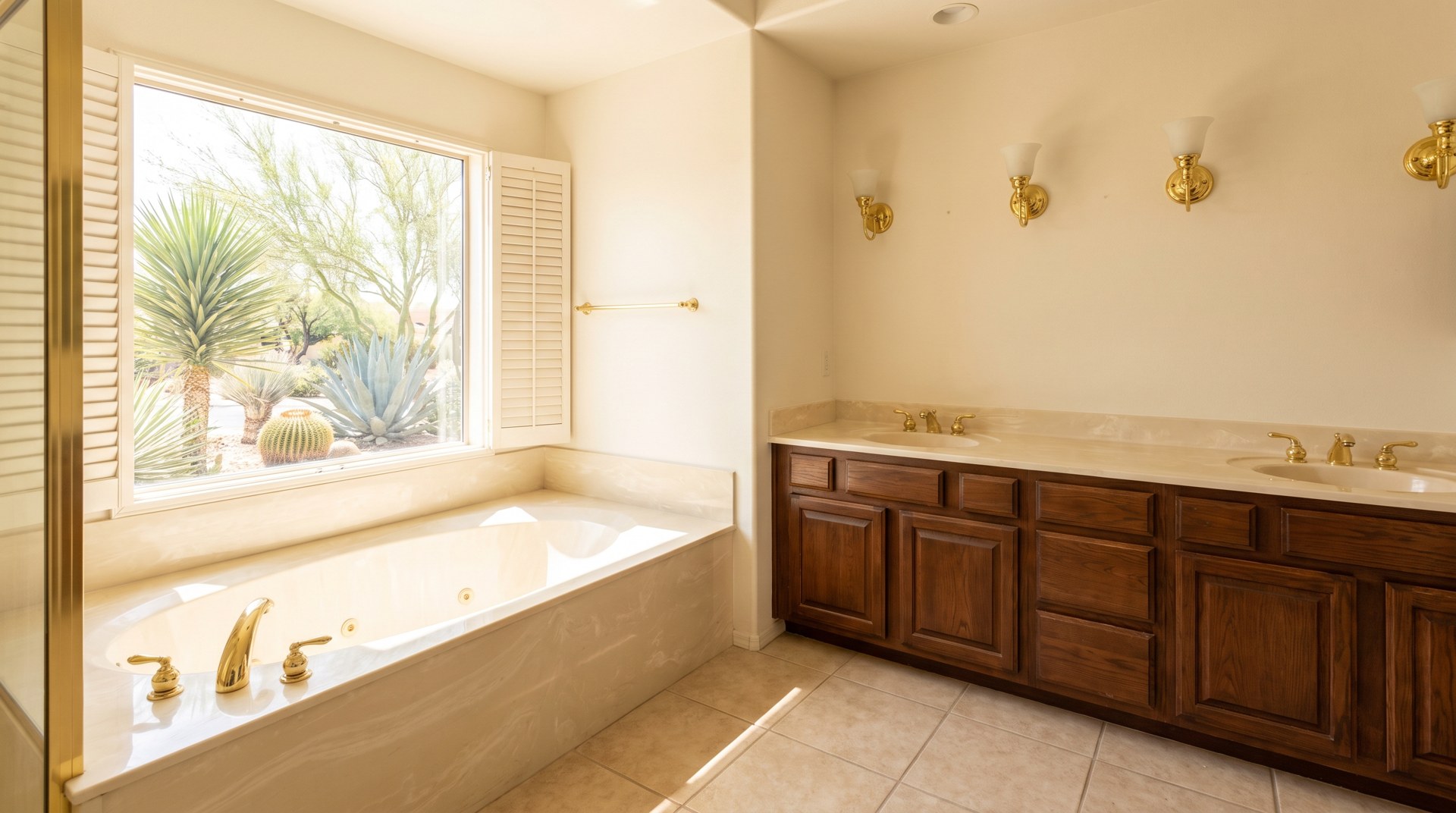
Before you start any luxury renovation, ask whether buyers in your price range will pay for it, because your remodel only pays off if they do. A large primary suite remodel reflects your taste, and your buyer is shopping for their own. Major kitchen or bath remodels fall into this category. A new bathroom looks nice, but a buyer often wants to choose their own tile and fixtures.
Landscaping and decorative work vary wildly by buyer taste. Your beautiful garden might mean nothing to a buyer who wants a yard easy to maintain. Painting the exterior a bold color might cost you buyers. These are personal choices. The market doesn’t reimburse personal preference.
Cosmetic fixes are cheap, so they make sense. But expensive aesthetic upgrades are a gamble. Your buyer might renovate anyway. Better to price as-is and let them do it their way.
How Does Selling As-Is Change Who Buys Your Home?
Here’s the truth your buyer sees. An as-is home attracts investors, cash buyers, and people with renovation budgets. They’re not moving in next week. They’re planning a project. This is not bad. It’s different. You’re not selling to a family moving in as-is. You’re selling to someone who values the bones of your home, not the surface.
This shifts your buyer negotiation dynamic. A traditional buyer expects some negotiation on price after inspection. An as-is sale cuts down that back-and-forth. Your buyer knows the condition before they make the offer, so they bid accordingly or they pass. Most buyers still inspect during their due diligence window, but your clear disclosure leaves far fewer surprises to argue over.
Your market analysis matters here. In areas where investor activity is high, as-is homes sell routinely. In areas where owner-occupants dominate, as-is sales are rarer. Those buyers often want near-turnkey condition. Your agent should know whether your neighborhood skews toward investors or families. That determines your as-is strategy.
What About a Cash Offer?
A cash-offer company will buy your home as-is, no inspection contingency, no appraisal, no financing delays. They close in days. The trade is clear: they buy below market value because they assume all the repair risk and carry the capital cost themselves. They’re pricing in risk, not paying for your home’s best day.
This model works if speed and certainty matter more than proceeds. You know your close date. You know your check amount. No contingencies kill the deal. But that certainty comes at a price. It’s usually significantly below what you’d get with traditional marketing, depending on your market and condition.
The decision is personal. If you need cash next month, a cash buyer might be exactly right. If you wait and market traditionally, you’ll likely net more. Your local market matters too. If your neighborhood moves fast and buyers are plentiful, traditional sale beats cash company pricing almost always. If your home needs work and traditional buyers are scarce, a cash offer removes uncertainty and keeps you moving. According to the National Association of REALTORS, research shows that market conditions dramatically affect sale timelines and buyer type. Understanding your market means working with an agent who knows it deeply.
| As-Is Sale | Repair-First Sale |
|---|---|
| Lower sales price (reflects buyer’s repair budget) | Higher sales price (home is move-in ready) |
| Faster close (no repair contingencies) | Slower close (repairs take time, then inspection again) |
| Attracts cash buyers and investors | Appeals to owner-occupant families |
| You carry no contractor risk | You manage contractors and timelines |
| Fewer repair requests after inspection | Buyer might still renegotiate if new issues appear |
Work with Tami to Find Your Path
As-is or repair first is a decision about your buyer, your budget and your calendar. Tami walks the house with you and sorts the list into what pays and what does not. All 32 of her Google reviews are five stars, and none of them came from talking someone into a remodel.
Bring her your address and your honest condition notes. You will get a plan built for your home.
Free home value report. No cost, no obligation. No pressure and no obligation. Tami will personally reach out. Call 952-288-3039 or start on the home value report page.
Frequently Asked Questions
Does “as-is” mean I don’t have to disclose problems?
No. Nevada law requires full disclosure of all known defects. Your listing price reflects the condition, but buyers must know what they’re buying. Selling as-is is about accepting the property’s condition as-is. It’s not about hiding anything. The Nevada Real Estate Division oversees these requirements.
Should I do a pre-inspection before listing?
Yes. A pre-inspection shows you what buyers will see. You know your negotiating position before the listing hits the market. It removes surprises and lets you decide whether to disclose and discount, or repair and price higher.
How much should I discount an as-is home?
That depends on your home repairs, your market, and buyer demand. Your agent prepares a market analysis comparing similar homes in similar condition. That tells you the right starting price. The market then validates or rejects it through buyer offers.
Can I do small repairs and still call it as-is?
Yes. As-is doesn’t mean neglected. Fresh paint, cleaning, home staging, and minor fixes are common before an as-is listing. The term means no major renovations. You’re maintaining the property, not rebuilding it.
Will a buyer with a mortgage even consider an as-is home?
Maybe. If your home passes inspection, yes. A financed buyer needs lender approval, and lenders won’t finance homes with critical defects. But many as-is homes do sell to owner-occupants. This especially happens in hot markets or when only cosmetic work is needed.
How long does an as-is sale usually take?
It depends on your condition, your price and your buyer’s financing. Ask any agent to build that timeline from your own home rather than an average. As-is sales move faster than traditional sales because there’s no repair negotiation. The buyer knows the scope before they offer.
Should I hire a realtor for an as-is sale?
Absolutely. You still need market expertise, buyer access, and buyer negotiation skill. Your agent helps you price fairly, markets to the right buyer type, and closes the deal. Selling your home is complicated. An as-is sale or a traditional one. A good agent makes the difference.
Like this article? Add Tami Jacobson as a preferred source, and you are more likely to see our articles in Google’s Top Stories.